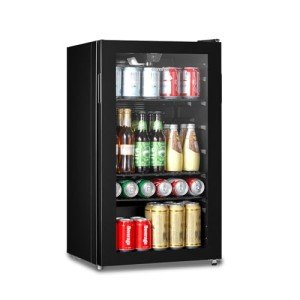
The Unsung Hero of Fridge Organization: Why Adjustable Shelves are a Game Changer
In the dynamic heart of every cooking area stands the fridge, a silent guardian of our disposable goods. Beyond its cooling expertise, the effectiveness of a fridge hinges substantially on its internal design. While features like temperature level control and energy efficiency often steal the spotlight, there's an unrecognized hero that silently revolutionizes how we keep and access our food: adjustable shelves.
These seemingly basic parts are more than simply platforms to stack groceries. Adjustable shelves are the key to opening a fridge's real organizational potential, using flexibility and personalization that deals with the varied needs of modern families. In this post, we explore the world of adjustable fridge shelves, exploring their advantages, types, and how they change the daily chore of food storage into a smooth and efficient experience.
The Power of Customization: Why Adjustable Shelves Matter
Imagine attempting to fit a high pitcher of homemade lemonade beside a short container of leftovers, only to recognize your repaired shelves provide no configurations that accommodate both. This discouraging situation is a common kitchen area problem, quickly resolved by the resourcefulness of adjustable shelves. Their primary benefit depends on the customized storage space they develop. Rather of complying with fixed rack heights, users can adjust their fridge's interior to match the size and shape of their groceries.
This versatility equates into a wide variety of advantages that extend beyond basic benefit.
- Make The Most Of Space Utilization: Adjustable shelves get rid of wasted vertical space. By repositioning shelves, you can develop taller compartments for big products like watermelons, turkeys, or multi-tiered cakes, while at the same time crafting smaller sized, more effective spaces for much shorter products like yogurt cups, dressings, or deli meats. This effective area use implies less mess and more room for your groceries.
- Improved Food Visibility: No more forgotten leftovers prowling at the back of a congested shelf! Adjustable shelves allow for much better company, ensuring that items are not buried behind taller containers. This improved presence reduces food waste as you are more likely to see and use products before they end.
- Avoiding Spills and Cross-Contamination: By producing dedicated zones with adjustable shelves, you can prevent spills and cross-contamination. High bottles can be safely placed on lower shelves, minimizing the threat of them falling over. In addition, you can create designated zones for raw meats on lower shelves and ready-to-eat foods on upper shelves, even more enhancing food security.
- Enhanced Accessibility: Reaching items at the back of a deep, fixed-shelf refrigerator can be a troublesome job. Adjustable shelves resolve this by allowing you to raise or lower shelves to bring often-used products to more available heights. This is particularly useful for individuals with movement limitations or those who prefer uncomplicated access to frequently used products.
- Flexibility to Changing Needs: Our grocery shopping routines and dietary requirements are not static. Adjustable shelves are designed for these vibrant modifications. Whether you are prepping for a vacation banquet, stocking up for a week, or merely keeping more beverages for a summer event, the flexibility of adjustable shelves enables your refrigerator to adapt to your ever-evolving storage requirements.
Checking out the Variety: Types of Adjustable Shelves
While the core principle of adjustability stays constant, fridge shelves come in a range of products and modification systems. Understanding these differences can help you value the nuances of your refrigerator's design.
By Material:
- Tempered Glass Shelves: These are arguably the most popular type discovered in modern refrigerators. Tempered glass shelves are known for their toughness, strength (efficient in holding substantial weight), and ease of cleansing. They likewise offer exceptional presence due to their transparency, permitting light to penetrate deeper into the refrigerator. Many tempered glass shelves are likewise created to be spill-proof, including raised edges which contain accidental spills and avoid them from dripping onto lower shelves.
- Wire Shelves: Historically, wire shelves were more typical. While they are still discovered in some designs, they are typically less preferred compared to glass shelves. Wire shelves are often more affordable however can be less stable and more difficult to clean due to their open grid design. Interior Light Fridges can likewise tip over or fall through the gaps. They provide less presence compared to glass shelves and are not normally spill-proof.
- Plastic Shelves: Some refrigerators, particularly economical models, may include plastic shelves. While lighter and potentially more impact-resistant than glass, plastic shelves can be less durable in the long run, susceptible to scratching, and might not support as much weight as tempered glass. Their cleanability can vary depending on the type of plastic utilized.
By Adjustment Mechanism:
- Sliding Shelves: These shelves can be taken out towards you, similar to drawers, providing simpler access to products kept at the back. Sliding shelves are particularly handy for reaching products in deep refrigerators and can be a fantastic function for those with restricted reach.
- Cantilever Shelves (Adjustable Height): This is the most common kind of adjustable rack. They normally connect to vertical assistances inside the refrigerator and can be moved up or down to various slots or grooves, permitting you to customize the vertical spacing between shelves.
- Split Shelves: These shelves are divided into 2 halves, with one half often able to slide below the other. Split shelves are extremely flexible, permitting you to develop tall areas on one side of the rack while preserving a full shelf surface on the other. This is particularly useful for accommodating tall products without compromising a whole rack level.
- Collapsible Shelves: Similar to divide shelves, foldable shelves provide flexibility however by folding a section of the rack upwards or downwards. This produces instant vertical space for taller items without needing to get rid of or rearrange the whole shelf.
Adjusting Your Shelves: A General Guide
While specific mechanisms might vary a little in between refrigerator brand names and models, the general process of changing shelves is generally simple.
General Steps (Always describe your fridge's user manual for particular directions):
- Empty the Shelf: Before attempting to adjust any rack, guarantee it is entirely empty. Removing all items will make the rack lighter and easier to handle, preventing unexpected spills or damage.
- Find the Release Mechanism: Identify how the shelf is protected to the fridge walls. This may include:
- Lifting and Tilting: Many cantilever shelves are released by carefully lifting the leading edge of the shelf and tilting it upwards somewhat. This disengages the rack from the assistance brackets or slots.
- Sliding or Pulling: Some shelves might have clips or levers that need to be slid or pulled to launch them.
- Pressing or Depressing Tabs: Certain models might have tabs or buttons that need to be pressed or depressed to unlock the shelf.
- Eliminate the Shelf Carefully: Once released, thoroughly get rid of the rack from its existing position.
- Pick the New Position: Select the desired height level in your refrigerator for the rack.
- Re-insert the Shelf: Align the rack with the picked assistance brackets or slots and carefully slide or lower it into location up until it is securely locked. You need to typically hear a click or feel the rack settle securely.
- Test for Stability: After re-installing the rack, carefully evaluate its stability to ensure it is firmly in location and will support the weight of your groceries.
Tips for Maximizing Organization with Adjustable Shelves
- Plan First, Adjust Later: Before reorganizing shelves, take a moment to evaluate your existing needs. Consider the kinds of groceries you typically buy and determine any storage challenges.
- Group Similar Items: Organize your refrigerator by food classifications. Usage greater shelves for ready-to-eat foods, middle shelves for dairy and drinks, and lower shelves for raw meats and produce (in crisper drawers if readily available).
- Use Vertical Space Optimally: Adjust shelves to reduce gaps between the top of your groceries and the underside of the shelf above. This takes full advantage of vertical area and prevents items from getting lost or obscured.
- Front to Back Arrangement: Place items with shorter expiration dates towards the front of the shelves and longer-lasting products towards the back. This promotes better food rotation and reduces waste.
- Think About Shelf Liners: For wire shelves, consider using clear plastic shelf liners to produce a smoother, more stable surface area and prevent small products from tipping over.
Preserving Your Adjustable Shelves
Keeping your fridge shelves clean is vital for health and food safety. Many adjustable shelves (specifically glass and many plastic types) are designed to be quickly gotten rid of for cleansing.
- Routine Cleaning: Wipe down shelves routinely with a wet fabric and mild dish soap to remove spills and food residue.
- Deep Cleaning: Periodically, eliminate shelves and wash them thoroughly in warm, soapy water. Ensure they are totally dry before re-installing them.
- Spill Prevention: While spills are inescapable, prompt cleaning is crucial. Wipe up spills instantly to prevent them from drying and ending up being hard to remove.
- Avoid Harsh Cleaners: Avoid utilizing abrasive cleaners or harsh chemicals on your shelves, as these can harm the surface area, especially for plastic or coated wire shelves.
Who Benefits Most from Adjustable Shelves?
The beauty of adjustable shelves is their universal appeal. They benefit practically anyone who uses a refrigerator! Nevertheless, particular groups might discover them particularly helpful:
- Families: Larger homes with varied grocery requirements and varying quantities of food will significantly gain from the modification and area optimization provided by adjustable shelves.
- Frequent Entertainers: Those who regularly host gatherings or cook for larger groups will value the flexibility to accommodate platters, big dishes, and beverages.
- Individuals Focused on Food Waste Reduction: Adjustable shelves contribute to much better food exposure and organization, helping to minimize food putridity and waste.
- Those with Limited Mobility: Adjustable shelves enhance ease of access, making it simpler to reach items, specifically for individuals with mobility challenges.
- Anybody who values an Organized Kitchen: For those who simply appreciate a tidy and efficient kitchen space, adjustable shelves are important for developing a well-organized and functional fridge.
Conclusion: Embracing the Flexibility of Adjustable Shelves
Adjustable shelves are not simply a small feature in refrigerators; they are a cornerstone of efficient food storage and company. They empower users to tailor their refrigerator's interior to their particular requirements, optimizing space, enhancing food visibility, and improving total benefit. By understanding the types of adjustable shelves and mastering their adjustment, you can open the complete potential of your fridge and change the way you keep and access your groceries. In a world where cooking area efficiency is significantly valued, adjustable refrigerator shelves stand out as an easy yet exceptionally impactful style element that genuinely makes life in the cooking area a little simpler and a lot more arranged.
Often Asked Questions (FAQs) about Adjustable Refrigerator Shelves
Q: Are all fridge shelves adjustable?A: No, not all refrigerators come with adjustable shelves. While they are a common feature in lots of modern designs, especially those in mid-range and higher cost points, some standard or older refrigerators may have fixed shelves. Constantly inspect the product specs or functions when purchasing a fridge to validate if it includes adjustable shelves.
Q: Can I adjust the shelves while the fridge is complete?A: It is strongly advised to clear the shelf before adjusting it. Changing shelves while packed can be hard, unstable, and might result in items falling or spilling. It also puts unnecessary stress on the shelf and its support systems.
Q: What if my refrigerator shelves are stuck and hard to change?A: If your shelves are difficult to change, very first ensure you are utilizing the correct release mechanism for your model (describe your user manual). Prevent requiring the shelves, as this might damage the brackets or the shelves themselves. Often, a build-up of sticky residue or frost can make shelves more difficult to move. Attempt cleansing the rack supports and the rack edges. If the concern continues, consult your fridge's user manual or call the maker's customer assistance.
Q: Can I include adjustable shelves to an older fridge with fixed shelves?A: Retrofitting adjustable shelves into a refrigerator developed with repaired shelves is usually not advised and can be complicated and even impossible. The refrigerator's internal structure and assistance system are created specifically for repaired shelves. Trying to customize it might compromise the structural stability and possibly void any warranty. It's generally more useful to think about purchasing a brand-new fridge with adjustable shelves if this feature is a priority.
Q: Are glass shelves constantly better than wire shelves?A: Glass shelves offer a number of advantages, including better presence, spill-proof style, ease of cleansing, and a more exceptional visual. However, wire shelves can be more budget friendly and, in some older models, might provide better air flow. The "much better" choice eventually depends on individual requirements and preferences, however tempered glass shelves are normally considered a more preferable and functional function in modern refrigerators.
Q: How do split shelves work?A: Split shelves are created with a front and rear section. Generally, the front section can move beneath the rear area. This allows you to develop a tall area at the front of the shelf (by moving the front section back) while maintaining a full-depth shelf at the back for other items. This is a very flexible feature for accommodating tall products without losing shelf area.